


Ask the Expert – 2018 Keynote, Paula Kluth, PhD
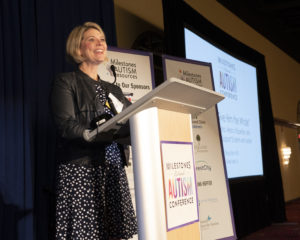
When it comes to inclusive learning, Paula Kluth is a go-to expert in the education community. As a consultant, advocate, and author/co-author of over 15 books, Paula has a breadth of knowledge on how to provide inclusive opportunities for students with disabilities and how to create more engaging schooling experiences for all learners. We were fortunate enough to have Paula as one of our keynotes at the 2018 Milestones National Autism Conference where she shared key strategies to teachers and parents alike.
Learn more about Paula and hear how she thinks the classroom experience will change as our understanding of autism evolves.
First things first: What did you think of your experience at the Milestones Conference last month?
Paula: Very good! Really wonderful mix of folks at the conference. Parents, lot of paraprofessionals, therapists; that was a really nice departure from some conferences I’ve been to. Self-advocates, folks on the spectrum, families… just a really great blend of folks and I think it adds to the energy a lot.
Yes, Milestones works really hard to create a conference that serves professionals and parents simultaneously. What would you say are the benefits of that?
Paula: I think having a conference where you bring together a lot of different stakeholders is critical for on-the-job, if you will, development; in other words, you’re not just learning from the sessions but you’re learning as you’re attending and as you’re having a side conversation at lunch. We’re all providing each other, the professional development or the advocacy development or the social support for another parent or a parent to a teacher. I’m sure if you had these interviews with other attendees they would say, “the most important thing I learned was this other mom gave me an advocacy trick at lunch or at the coffee break.” When we have more stratification and separation in audiences, sometimes that’s necessary and appropriate. Unfortunately, you do miss those intersections, those happenstance moments and the “aha’s”. So it’s nice when you have these experiences where we are bringing together all those populations that we discussed. Self-advocates, folks on the spectrum, families, grandparents, doctors; it is really a way to learn incidentally and to learn alongside somebody else and maybe even start a community for yourself in a new way.
Continue reading →