autism

Dr. Thomas Frazier, Milestones 2017 honoree of the Research & Medicine Award, has spent his career making a difference in the lives of individuals with Autism Spectrum Disorder. “Helping people with autism provides meaning to my life,” he says. “It’s what gets me up in the morning.”
A licensed clinical psychologist who received his PhD from Case Western Reserve University, Dr. Frazier’s clinical contributions include adoption of electronic data collection systems and publication of outcomes for the Lerner School Applied Behavior Analysis (ABA) program; development of outpatient ABA programs to serve young, underserved children; overseeing growth of the social SPIES outpatient program providing social skills training and peer integration for children with high functioning autism.
His research contributions include the publication of more than 100 research articles in peer-reviewed journals and more than 150 scientific abstracts and invited talks at national and international research conferences. In addition, Dr. Frazier is renowned for his studies validating the DSM-5 criteria for autism and investigations describing structural brain abnormalities in children and adolescents with autism.
Dr. Frazier has served in many roles at Cleveland Clinic, including as staff psychologist and director of the Center for Autism, as well as assistant professor of pediatrics in the Lerner College of Medicine. In April 2017, Dr. Frazier joined Autism Speaks as Chief Science Officer where he continues to advance research that will increase understanding of autism’s causes, improve screening and diagnosis, and develop effective interventions.
How do you feel your efforts have impacted the autism and special needs community?
In clinical practice, I believe my biggest impacts have been in developing services that provide outpatient Applied Behavior Analysis (ABA) treatment to young children with autism who are not able to access intensive intervention services, parent groups to provide support and initial training in behavioral methods, and in increasing the availability of diagnostic and care coordinator services.
In research, the most impactful projects I have participated in have been studies that clarified the organization of autism symptoms and clarified differences in symptom patterns across males and females, investigations that identified specific patterns of brain abnormalities in autism, and the characterization of a unique genetic-subgroup of autism associated with mutations in the PTEN gene.
Continue reading →
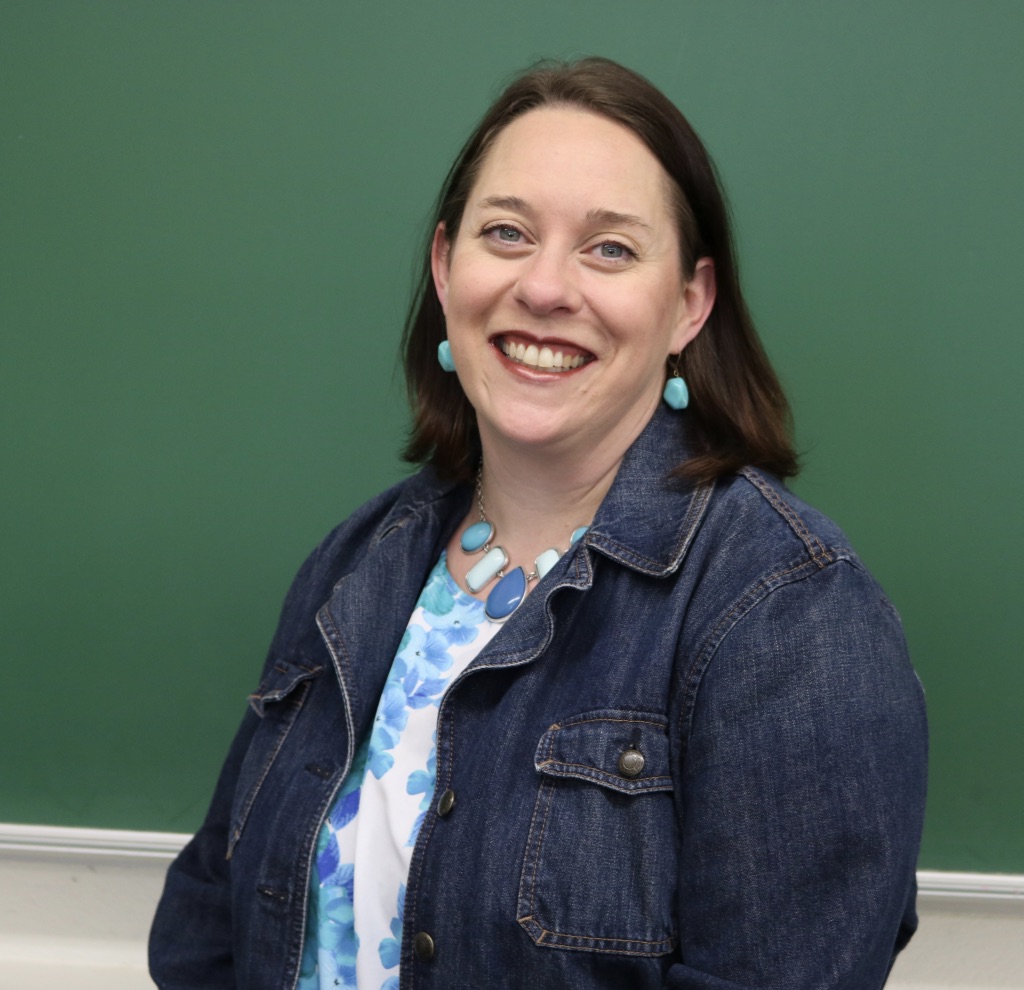
As a mother of two children on the autism spectrum, Dr. Katie Krammer is passionate about bringing people together and creating a support network for parents and families like hers. It’s why the Milestones 2017 honoree of the Parent Tribute Award helped found a grassroots community group here in Northeast Ohio. Founded just three years ago with a handful of members, the group has grown to over 200 families and caregivers.
In addition to her work with the community, Dr. Krammer is active in the field of education. As Associate Professor of Special Education and the Coordinator of the Special Education Licensure Program at Lake Erie College, her research interests include Universal Design for Learning, Differentiation, Cognitive Learning Strategies and supporting families who have children with autism.
Dr. Krammer holds a Bachelor of Science in Elementary Education, a Master of Science in Education with an emphasis in Deaf Education, and a Doctor of Philosophy in Special Education with an emphasis in Teacher Education and a minor in Statistics from the University of Kansas. Prior to entering higher education, Dr. Krammer worked as a sign language interpreter as well as an intervention specialist for deaf and hard of hearing students for many years in public schools.
How have your efforts have impacted the autism and special needs community?
Three years ago I helped start the Lake/Geauga Autism Support Group in conjunction with the State Support Team Region 4. Since its inception the group has grown to over 50 families who attend, as well as over 200 families and caregivers who get support from the Autism of Lake County, OH Facebook support group page. This group has brought so many people together not just for those meetings, but it has truly created a network of support for the parents/caregivers and also for our kids. We have become a family who all looks out and supports one another and it is amazing!
Continue reading →
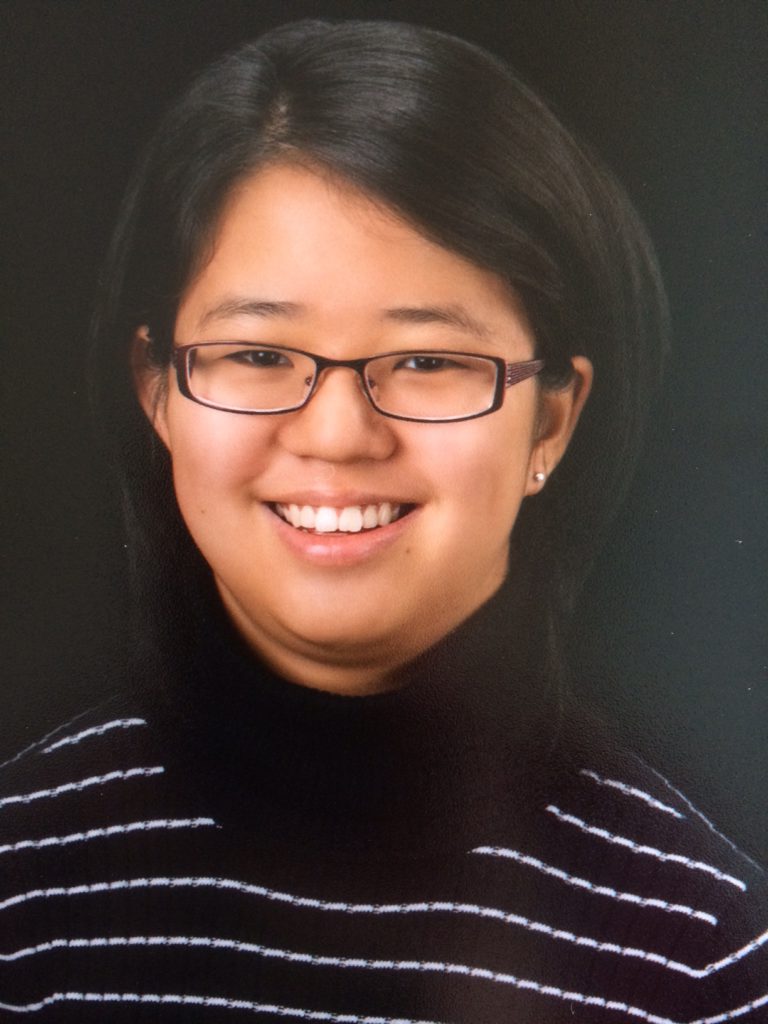
Grace Blatt, Milestones 2017 honoree of the Trailblazer Award, knows from personal experience that music can be both therapeutic and stimulating for persons on the autism spectrum. Her mission is to touch the lives of others who experience challenges due to anxiety or misunderstanding, and through music therapy help them find expression for their thoughts and feelings.
Grace is currently a student at Lakeland Community College with the goal of earning a degree in Music Therapy from Cleveland State University. For the past year Grace has been employed by the Cuyahoga County Board of Developmental Disabilities as a Good Life Ambassador. In this position she enjoys paving the way – advocating for persons with autism and other special needs.
How do you feel your efforts have impacted the autism and special needs community?
One of the most exciting ways I believe my efforts have impacted the autism and special needs community is through my work as a Good Life Ambassador for the Cuyahoga County Board of Developmental Disabilities. In this role I get to advocate for all of us in this special community by making presentations to county boards, local community collaboratives, schools, legislators, families, provider agencies, etc. I educate them about the tremendous value persons with all types of special needs bring to the greater community environments, and I provide ideas for them to embrace us with inclusion.
Continue reading →

Q: As a parent, I want to help my child to have a healthy understanding of his sexuality. What is the best way to approach the subject during early childhood and later during the teenage years?
A: Most parents are concerned about teaching sex education to their child, but find resources are lacking to help them do it. First, it is never too young to start addressing sexuality. Schools don’t start teaching sex education until 5th grade, but it is recommended to start age appropriate education earlier, especially for individuals with Autism Spectrum Disorder (ASD). First, educate your child about gender differences early on (e.g., toddler and school age) through use of pictures, Social Stories™ and game playing. Remember to use different types of body sizes, hair style and clothing for both males and females. Use life-size posters, anatomically correct dolls and other hands-on visuals while teaching. Teach the similarities and differences between genders, while still encouraging non-gender stereotyped play and activities.
Next, teach about body parts using anatomically correct words such as penis, vagina, breasts, pubic hair and so forth as it is developmentally appropriate. They also need education on body fluids such as tears, mucus, saliva, sweat, blood, urine, semen and menstrual blood – explaining what body parts excrete what fluids. Again, use of pictures, Social Stories™ and other hands-on learning tools that are age appropriate will be the most helpful.
Continue reading →

After much deliberation, the Ohio House of Representatives passed a $63.7 billion, two-year state budget for 2018-19 which now heads to the Senate Finance Committee for testimony and hearings.
Though the Department of Developmental Disabilities (DDD) faced drastic cuts for all new services, the voices of individuals and families in the developmentally disabled community were heard as some of the funding was added back.
Highlights of the DDD budget that was passed by the House last week:
- Restores some new funding for waivers in FY19
- No increase for ICF Rates
- No increase to rate for ICF adults on ventilators
- Removes the following prohibitions: New waiver slots, complex care add-on, DSP increased wages, restructuring of shared living rates
While this is good news for families and individuals with developmental disabilities, the fight is not over. There is still funding and services that may be added or taken away in the Senate.
“What is most important for families is to stay connected and up-to-date on the budget and process,” says Cindy Norwood, Executive Director of The Arc of Greater Cleveland. “We cannot stop speaking with our legislators until June 30, when the budget is finally approved and the House and Senate concur.”
Continue reading →
← Older posts Newer posts →
« Older EntriesNewer Entries »