Conference
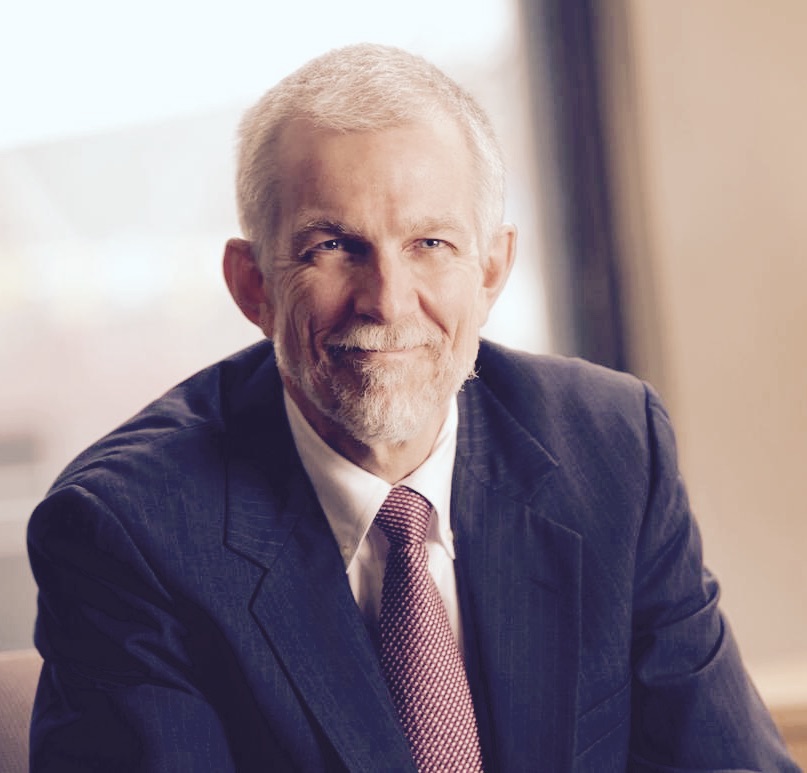
Dr. Stephen L. Ruedrich, Milestones 2017 honoree of the Research & Medicine Award, was profoundly impacted by his first encounter with patients with autism and intellectual disabilities. Inspired by the courage of the individuals he met, Ruedrich decided to dedicate his career to making life better for persons with developmental disabilities and behavioral disorders.
More than 40 years after that first experience, Dr. Ruedrich, who serves as the L. Douglas Lenkoski Professor of Psychiatry at the Case Western Reserve University School of Medicine, continues to positively impact the region by helping to demystify the process of seeking and receiving psychiatric care for patients and families.
In addition to his role at Case, Dr. Ruedrich serves as Vice-Chair, Chief of the Division of Adult Psychiatry and Chief Quality Officer in the Department of Psychiatry at University Hospitals of Cleveland. At University Hospitals, he has continued and expanded a focused clinical practice serving adults with intellectual and developmental disabilities with co-morbid psychiatric or behavioral disorders.
How do you feel your efforts have impacted the autism and special needs community?
I hope that our work has made it easier for persons in Northeast Ohio with autism and special needs, who also have psychiatric or behavioral disorders, to seek and receive psychiatric care, and for their families to participate in their assessment and treatment. Our goal has been to normalize and demystify this process for patients and families, so that their level of comfort and confidence in seeking psychiatric care makes our office visit just one more pleasant community outing.
Continue reading →
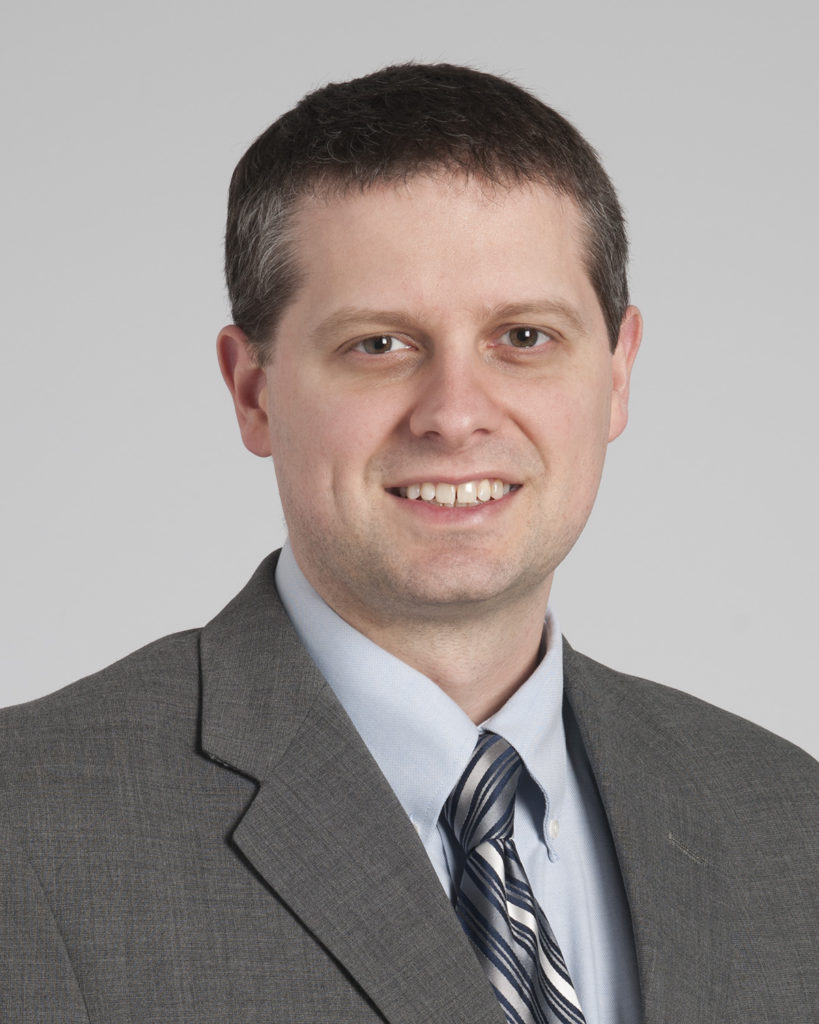
Dr. Thomas Frazier, Milestones 2017 honoree of the Research & Medicine Award, has spent his career making a difference in the lives of individuals with Autism Spectrum Disorder. “Helping people with autism provides meaning to my life,” he says. “It’s what gets me up in the morning.”
A licensed clinical psychologist who received his PhD from Case Western Reserve University, Dr. Frazier’s clinical contributions include adoption of electronic data collection systems and publication of outcomes for the Lerner School Applied Behavior Analysis (ABA) program; development of outpatient ABA programs to serve young, underserved children; overseeing growth of the social SPIES outpatient program providing social skills training and peer integration for children with high functioning autism.
His research contributions include the publication of more than 100 research articles in peer-reviewed journals and more than 150 scientific abstracts and invited talks at national and international research conferences. In addition, Dr. Frazier is renowned for his studies validating the DSM-5 criteria for autism and investigations describing structural brain abnormalities in children and adolescents with autism.
Dr. Frazier has served in many roles at Cleveland Clinic, including as staff psychologist and director of the Center for Autism, as well as assistant professor of pediatrics in the Lerner College of Medicine. In April 2017, Dr. Frazier joined Autism Speaks as Chief Science Officer where he continues to advance research that will increase understanding of autism’s causes, improve screening and diagnosis, and develop effective interventions.
How do you feel your efforts have impacted the autism and special needs community?
In clinical practice, I believe my biggest impacts have been in developing services that provide outpatient Applied Behavior Analysis (ABA) treatment to young children with autism who are not able to access intensive intervention services, parent groups to provide support and initial training in behavioral methods, and in increasing the availability of diagnostic and care coordinator services.
In research, the most impactful projects I have participated in have been studies that clarified the organization of autism symptoms and clarified differences in symptom patterns across males and females, investigations that identified specific patterns of brain abnormalities in autism, and the characterization of a unique genetic-subgroup of autism associated with mutations in the PTEN gene.
Continue reading →
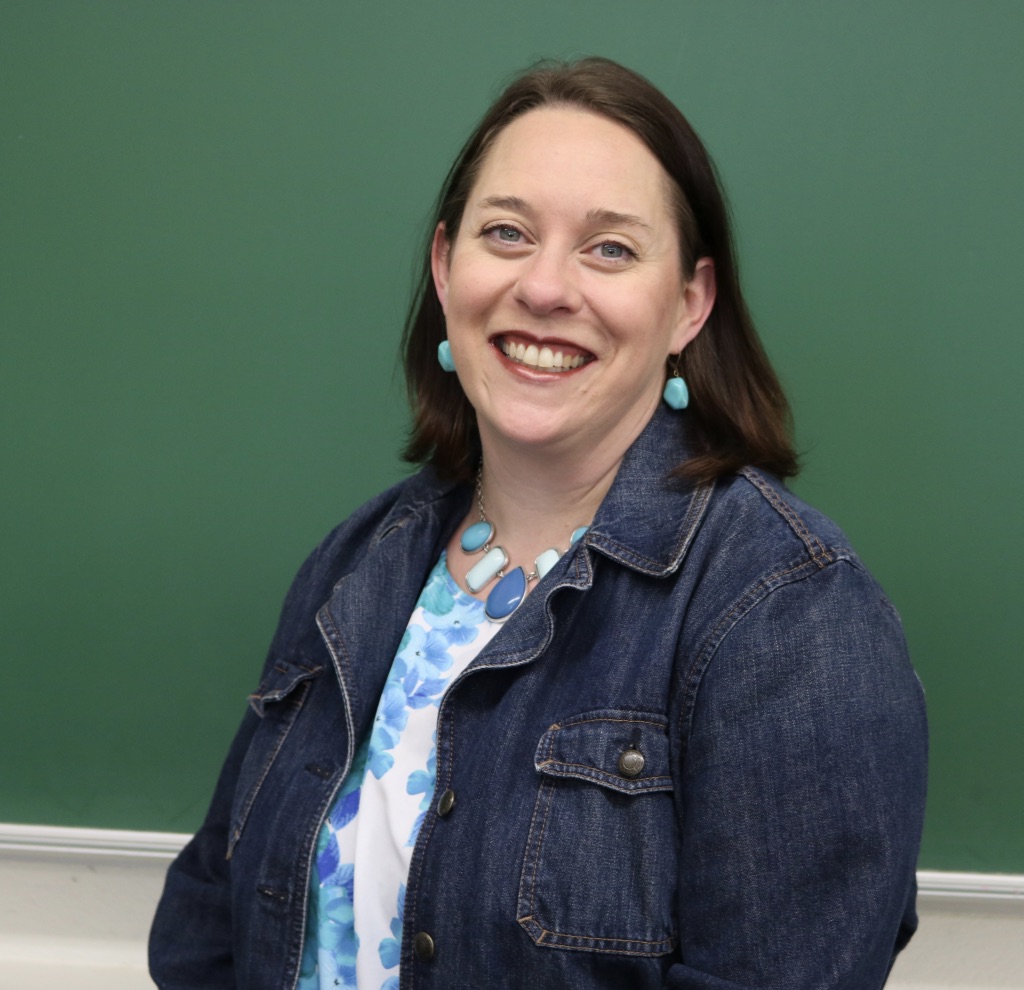
As a mother of two children on the autism spectrum, Dr. Katie Krammer is passionate about bringing people together and creating a support network for parents and families like hers. It’s why the Milestones 2017 honoree of the Parent Tribute Award helped found a grassroots community group here in Northeast Ohio. Founded just three years ago with a handful of members, the group has grown to over 200 families and caregivers.
In addition to her work with the community, Dr. Krammer is active in the field of education. As Associate Professor of Special Education and the Coordinator of the Special Education Licensure Program at Lake Erie College, her research interests include Universal Design for Learning, Differentiation, Cognitive Learning Strategies and supporting families who have children with autism.
Dr. Krammer holds a Bachelor of Science in Elementary Education, a Master of Science in Education with an emphasis in Deaf Education, and a Doctor of Philosophy in Special Education with an emphasis in Teacher Education and a minor in Statistics from the University of Kansas. Prior to entering higher education, Dr. Krammer worked as a sign language interpreter as well as an intervention specialist for deaf and hard of hearing students for many years in public schools.
How have your efforts have impacted the autism and special needs community?
Three years ago I helped start the Lake/Geauga Autism Support Group in conjunction with the State Support Team Region 4. Since its inception the group has grown to over 50 families who attend, as well as over 200 families and caregivers who get support from the Autism of Lake County, OH Facebook support group page. This group has brought so many people together not just for those meetings, but it has truly created a network of support for the parents/caregivers and also for our kids. We have become a family who all looks out and supports one another and it is amazing!
Continue reading →
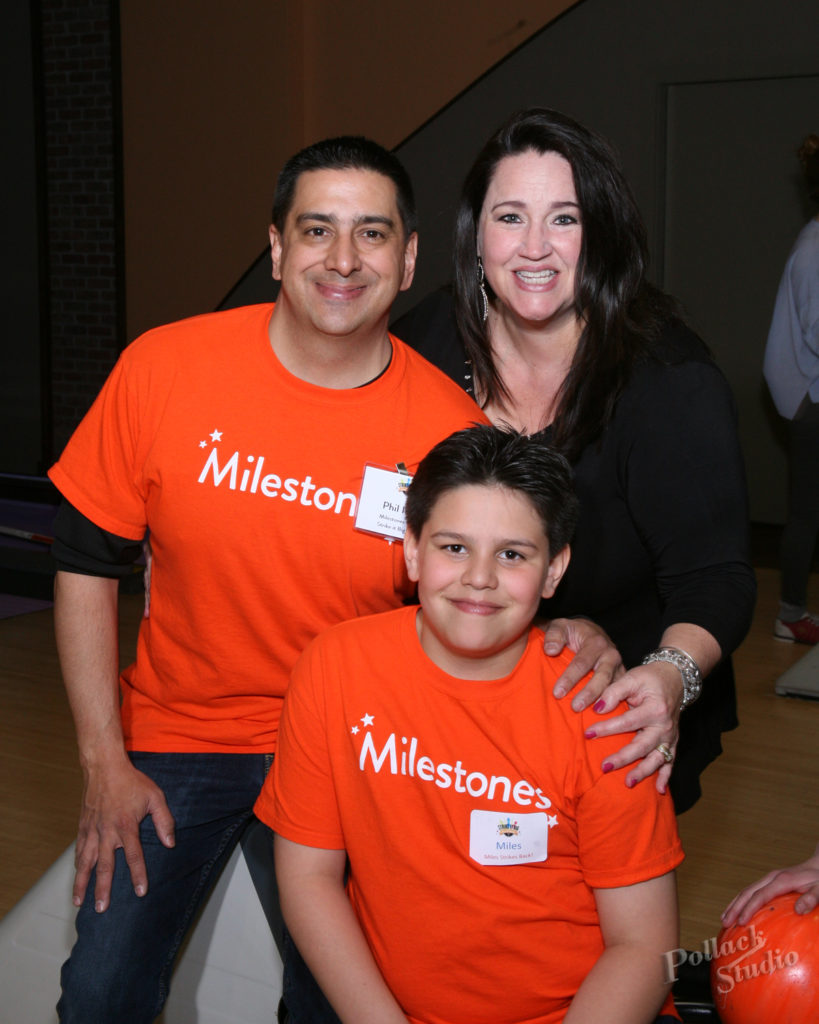
Our autism journey began during a routine checkup when our son Miles was 3 ½ years old.
When the exam was over, and Miles looked good and healthy, the doctor asked if we had any concerns. My wife asked a simple question about Miles’ speech development. Yes, Miles spoke and answered questions, but he never asked questions and most people didn’t understand him. There was never conversational speech. She mentioned his uncanny ability to mimic and recite entire episodes of his favorite shows, unexplained meltdowns in the car and on shopping trips, and his amazing talent of writing and drawing in the exact fonts of original logos he saw.
The doctor mentioned “the spectrum” during the appointment and recommended testing through the county. My wife asked, “What spectrum?”
My wife didn’t leave the appointment with pamphlets, guides or referrals. She left stunned with the realization that there were medical terms for some of Miles’ behaviors. She had a million questions and no answers.
Within days, we Googled everything we could on Autism Spectrum Disorder (ASD) and asked many questions. Unhappy with the county testing experience, my wife was certain we should find specialists to evaluate Miles before letting the school district make decisions on his education. We are forever grateful for recommendations to see Dr. Christine Barry and Dr. Nancy Roizen at University Hospitals for initial testing and diagnosis.
Years of Applied Behavior Analysis (ABA) therapy, physical therapy (fine motor), intensive private speech therapy, in addition to school programs during preschool and elementary school, followed. These were intense, stressful years for Miles and our entire family, but critical components to his development and success in a typical school setting, which was our goal for him.
We celebrated progress, agonized over setbacks – Miles stopped walking down stairs, wouldn’t go on playground equipment, became a very restrictive eater, had severe meltdowns if we drove on certain roads, developed unexplained rashes and sensitivities to fabrics and odors, for example.
For me, once I learned of my son’s diagnosis, I quietly discussed it with some close friends. It’s not something that you share with everyone as you try to face the tidal wave of emotions and worries that wake you in the middle of the night. But a friend told me an encouraging story about someone she knew with a 6-year-old son with autism. We set up a lunch and I was amazed to learn how similar his son had been at Miles’ current age.
This friend cited several therapies with acronyms that I had never heard of before. He mentioned that Milestones Autism Resources had been a big help to him. Since we were definitely in need of help, I visited the Milestones website and couldn’t believe the amount of local resources and activities listed. When we learned Miles qualified for Extended School Year (ESY), we used Milestones’ guidance and enrolled our son in Friendship in Teams (FIT) Camp.
I will never forget the feeling I had as I walked out of the building, leaving Miles on his own with people he had never met before. I was worried, even a bit scared, that I would receive a call that he wouldn’t be able to make it through the day. But that call never came. The staff at the camp knew exactly how to work with him. I went from feeling alone to feeling like I was a part of a sub-culture – almost a movement – to help these children become all they could someday be. It was an amazing feeling of empowerment compared to the lack of control we had just experienced a short time earlier.
My first year at the Milestones Autism Conference was just as powerful.
Here was a large group of professionals and parents who spend their lives helping these children and young adults. In just days, I learned more than I did in the previous year of doing autism research on my own. I had contacts in every aspect of what Miles would need. It was exhausting, but rewarding and empowering, too. I know with certainty that Miles would not be as far along in his development had I not attended the conference. I also appreciated hearing different perspectives of how people approached their care. It helped me understand that the treatments that helped my son may not impact the next child in the same way. Each child is so different, there is no absolute right and wrong in terms of solutions. I also witnessed overwhelming love, not only from parents, but also from intervention specialists and a host of others who help parents and children.
Milestones was started by parents who wanted to help each other as well other families struggling with ASD. I have met countless parents who have shared so many important lessons that I would never have learned myself. It makes life so much easier to glean wisdom acquired by those who have faced the same issues.
Many parents feel alone in this journey, but Milestones helps connect us with the incredible supportive community we have here in Cleveland. You never have to feel alone if you have Milestones on your side.
-Phil Irvin
← Older posts Newer posts →
« Older EntriesNewer Entries »